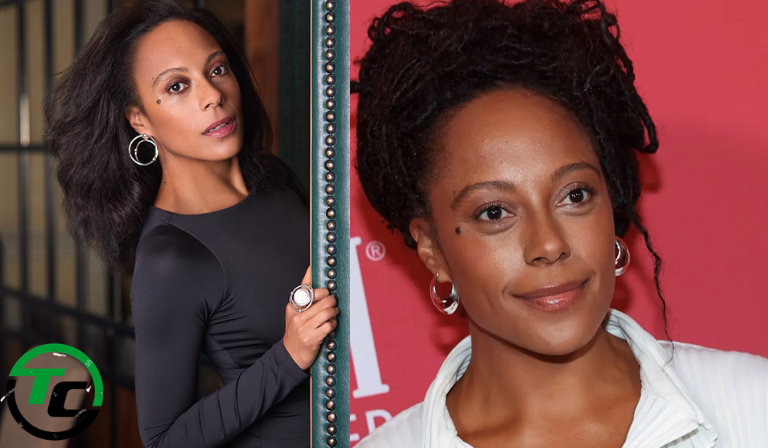
When we look at the landscape of modern media personalities, we often focus on the loudest voices in the room. But sometimes, the most interesting stories belong to those who operate with a blend of quiet resilience and sharp intellect. Jeanne Bernhardt is one such figure. You might have heard the name whispered in niche online communities or seen her work referenced in discussions about alternative media and spiritual frameworks. Yet, for many, the details of her journey remain a bit of a mystery.
What makes the story of Jeanne Bernhardt so compelling isn’t just her longevity in a tough industry, but the way she has managed to pivot and adapt without losing her core identity. She isn’t just a talking head; she is a thinker, a multimedia artist, and a commentator who has seen the transition from traditional broadcasting to the wild west of digital streaming. To understand her is to understand a specific slice of modern intellectual history. We are going to peel back the layers, looking at her career highlights, her philosophical leanings, and why she continues to resonate with a dedicated audience today.
The Early Career: Building a Foundation in Broadcasting
Long before the days of podcasts and on-demand content, Jeanne Bernhardt cut her teeth in the traditional media landscape. This was an era where radio wasn’t just background noise; it was the primary battlefield for ideas. For anyone trying to understand her disciplined approach to dialogue, looking at these formative years is essential. She learned the hard rules of the clock, the art of the interview, and the importance of letting a guest finish a sentence, skills that are surprisingly rare in the hot-take economy of today.
Her work during this period wasn’t about fame; it was about craft. She understood that to be heard, you first had to learn how to listen. This foundation gave Jeanne Bernhardt a unique versatility. She wasn’t locked into just one format. Whether she was behind the camera producing content or in front of it as the host, she developed a visual and auditory literacy that would serve her well in the decades to come. It was here that she began to cultivate the “expert yet casual” tone she is known for, making complex geopolitical or spiritual topics feel accessible to the everyday listener.
Transitioning to Digital and Independent Media
As the internet began to dismantle the gatekeeping structures of old media, many traditional broadcasters were left scrambling. They tried to force old habits into new containers, and it rarely worked well. Jeanne Bernhardt, however, saw the shift coming. She didn’t just adapt to the digital realm; she embraced it as a playground for deeper exploration. This transition marked a significant turning point in her career, allowing her to speak without the corporate filters that often diluted controversial opinions.
In the digital space, she found her voice becoming sharper and more authentic. The constraints of a three-minute news segment vanished, replaced by the freedom of long-form conversations. It is in this environment that most modern fans discovered Jeanne Bernhardt. She began to weave together threads of geopolitics, personal sovereignty, and metaphysical awareness in a way that felt organic. Unlike the screaming matches often found on cable news, her digital content felt like sitting in on a conversation between intelligent friends. This authenticity is the primary fuel for her continued relevance.
Key Themes and Philosophical Perspectives
If you spend any time listening to her commentary, a few recurring themes will jump out at you. Jeanne Bernhardt does not shy away from the “big questions.” She often discusses the nature of consciousness and how it intersects with current events. This blend of the tangible and the intangible is her trademark. She might start an hour discussing economic policy and end it exploring the nature of intuition, yet the transition never feels jarring. It feels holistic.
Another dominant theme in her work is the critique of institutional narratives. Whether discussing health, history, or spirituality, she encourages her audience to think for themselves. She advocates for what she calls “discernment,” a skill she believes is vital in an age of disinformation. This perspective has earned her both loyal fans and fierce critics, but it is undeniably genuine. When you listen to Jeanne Bernhardt, you get the impression that she would say the exact same things whether the microphone was on or off. That level of integrity is rare enough to be noteworthy.
The Role of Art and Multimedia
It would be a mistake to view her solely as a political or spiritual commentator. Jeanne Bernhardt is also an artist. Her background in visual arts and multimedia production informs everything she does. She often speaks about the “aesthetics of information,” suggesting that how information is packaged—the music, the lighting, the visual flow—affects its truth value. This attention to detail sets her content apart from the typical “man in a basement with a webcam” look that plagues independent media.
She treats her broadcasts like a canvas. By integrating visual elements, sound design, and intentional pacing, she creates a viewing experience that is easier to digest and harder to forget. This artistic sensibility has allowed Jeanne Bernhardt to build a brand that feels premium, even when the budget is lean. She proves that content doesn’t have to be corporate to be professional. It just has to be intentional. This emphasis on beauty and order within the chaotic news cycle is a soothing balm for her audience.
Challenges and Resilience in the Public Eye
No career spanning several decades is a smooth ride, and her journey has included its fair share of turbulence. Navigating the shifting sands of media platforms—from YouTube demonetization to censorship algorithms—has required constant innovation. There have been moments when her views were suppressed or her channels restricted. Instead of capitulating, she saw these obstacles as puzzles to be solved. She diversified her platforms, moving to streaming services that valued free speech, and encouraged her audience to follow her outside of the corporate walled gardens.
This resilience is perhaps the most inspiring part of her story. Jeanne Bernhardt has shown that you don’t have to change your values to survive; you just have to change your tactics. She has faced health challenges, platform bans, and the general vitriol that comes with having strong opinions online. Yet, she persists. Her ability to bounce back, to find new ways to connect with her community, speaks to a deep well of personal strength. For many of her followers, she isn’t just a commentator; she is a case study in how to live with integrity under pressure.
The Community and Impact on Followers
One cannot discuss this figure without mentioning the tribe she has built. The community surrounding Jeanne Bernhardt is notably different from the average online mob. It tends to be older, more thoughtful, and less interested in trolling than in genuine learning. She has fostered a “come as you are” atmosphere where questions are welcomed and dogmatism is rejected. In her live streams, you often see a respectful dialogue in the chat, a rarity in the usually toxic world of internet comments.
Her impact on followers often goes beyond entertainment. Many fans credit her with helping them wake up to manipulated narratives or guiding them through spiritual awakenings. She has a knack for articulating the “gut feeling” that many people have but cannot put into words. By validating those intuitions, she empowers her audience to trust themselves more. This is the hallmark of a true leader: not creating dependency, but building sovereignty. The legacy of Jeanne Bernhardt, therefore, might be measured less in clicks and more in the critical thinking skills she has sparked in others.
Conclusion
In a media environment obsessed with the new and the noisy, figures like Jeanne Bernhardt remind us of the value of the seasoned and the sincere. Her journey from traditional broadcasting to digital independence is a blueprint for adaptability. She has managed to remain relevant not by chasing trends, but by doubling down on timeless virtues: curiosity, discernment, and artistic integrity.
While she may never be a household name in the mainstream sense, her influence in the alternative and spiritual commentary spheres is undeniable. She represents a specific kind of journalist and thinker who prioritizes process over conclusion, conversation over debate. For anyone looking to understand the evolution of independent media, or simply seeking a voice that challenges without being cruel, exploring her archive is a worthwhile endeavor. Jeanne Bernhardt stands as a testament to the power of staying true to your path, no matter how winding it may be.
Frequently Asked Questions
Who exactly is Jeanne Bernhardt and what is she known for?
Jeanne Bernhardt is a seasoned multimedia personality, broadcaster, and commentator known for her work in both traditional radio and independent digital media. She is recognized for blending discussions of geopolitics, personal sovereignty, spirituality, and current events. Her reputation is built on her long-form interviews and her ability to analyze complex topics with a casual yet expert tone, encouraging critical thinking among her audience.
What are the main topics discussed by Jeanne Bernhardt in her broadcasts?
Her content typically covers a wide range of topics including alternative news, government transparency, metaphysical concepts, health freedom, and media analysis. She often focuses on the intersection of consciousness and reality, urging listeners to develop discernment regarding mainstream narratives. This multidisciplinary approach allows her to connect economic trends with psychological and spiritual well-being.
Where can I watch or listen to Jeanne Bernhardt today?
She primarily operates on independent streaming platforms and video-on-demand services that prioritize free speech, as she has often faced restrictions on mainstream social media sites. Her official website and newsletter are the best sources for current links to her live streams, archived shows, and podcast feeds. You can often find her content on Rumble or her personal broadcasting network, though specific platform availability changes frequently.
How did Jeanne Bernhardt transition from traditional media to independent media?
She began her career in the structured environment of radio and television broadcasting, where she learned production and interviewing skills. As digital platforms emerged, she recognized the limitations of corporate media and pivoted to creating content online. This move allowed her to explore topics that were often censored or ignored by mainstream outlets, giving her the freedom to develop the authentic, long-form style she is known for today.
Why does Jeanne Bernhardt emphasize spirituality in her political discussions?
She believes that political and social structures are a reflection of human consciousness. Therefore, she argues that you cannot fix external problems without addressing internal, spiritual development. For her, topics like intuition, energy, and morality are not separate from news; they are the foundation of it. This holistic view sets her apart from secular pundits who focus only on material data.
Has Jeanne Bernhardt faced controversy for her views?
Yes, like many independent commentators who challenge dominant institutional narratives, she has faced significant pushback, including censorship, de-platforming from major tech companies, and public criticism. However, she has consistently turned these challenges into opportunities, often discussing them openly on her shows as case studies in media suppression and resilience. She views this controversy as a natural consequence of speaking outside accepted boundaries.